
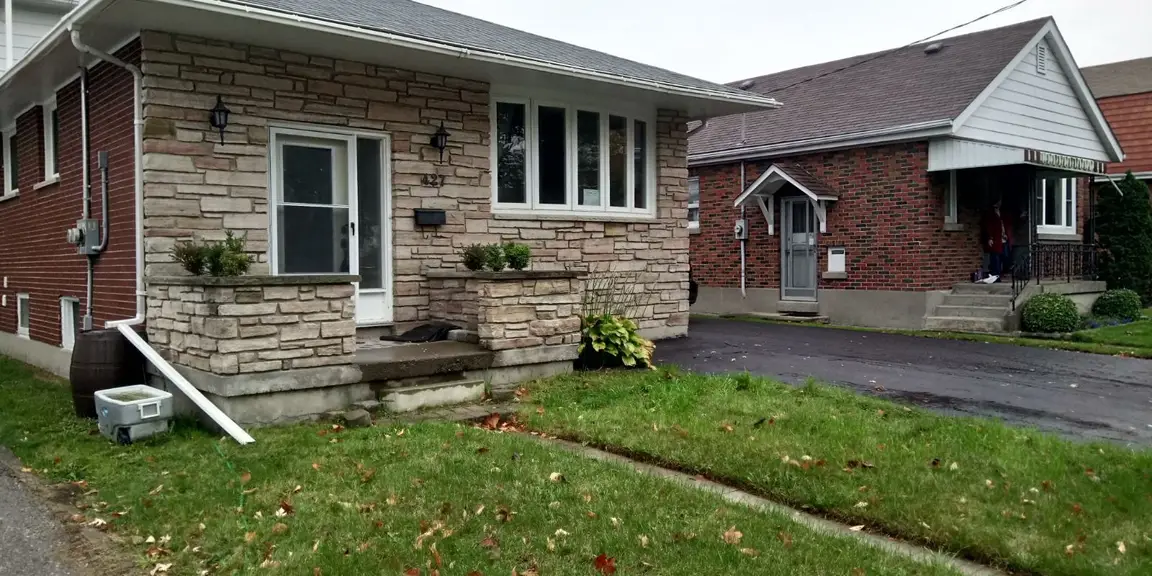
Moving an aging family member into a retirement community or a long-term care facility is one of the most challenging chapters a family can face. On top of the emotional weight of transitioning a loved one, adult children suddenly find themselves acting as project managers. You are navigating healthcare assessments, handling waitlists, and figuring out how to manage the financial reality.
For the majority of seniors, their wealth isn’t sitting in a liquid savings account—it is locked up in the equity of their home.
If you are currently tasked with selling a parent’s house in Ontario to fund their ongoing care, you don’t need generic advice. You need a straightforward breakdown of the provincial legal frameworks, real estate tax exemptions, and practical logistical strategies available to you right now.
1. The Legal Groundwork: Navigating Power of Attorney (POA) in Ontario
You cannot legally list, market, or close a real estate transaction on a property owned by your parents without explicit legal authority. Your exact next steps depend entirely on your parent’s current cognitive health.
If Your Parent Retains Mental Capacity
If your parent is mentally capable of making financial decisions but simply lacks the physical mobility to manage a property transaction, they can sign the listing agreement and final closing documents themselves. Alternatively, they can execute a Continuing Power of Attorney for Property, which officially grants you the legal authority to handle the home sale on their behalf.
If Cognitive Decline Has Occurred
If a physician or a designated Ontario capacity assessor determines that your parent is no longer mentally capable of managing their financial affairs, you can only sell the property if you already hold an active Continuing Power of Attorney for Property.
Important Legal Note for Ontario Families: If your parent has lost capacity and a valid POA was never signed, you cannot simply step in to sign real estate contracts. Instead, you must formally apply to the Ontario Superior Court of Justice to be appointed as their Guardian of Property. This court process often takes months and requires significant legal fees, which can severely delay your ability to secure care funding during an urgent health transition.
2. Real Estate Tax Rules for Ontario Seniors
A major concern for families navigating this process is whether the Canada Revenue Agency (CRA) will claim a large portion of the property’s equity through capital gains taxes.
Fortunately, the Principal Residence Exemption (PRE) protects most Ontario seniors. If the home was owned by your parent and occupied as their primary residence for every year they owned it, the proceeds from the real estate sale are entirely tax-free. This ensures that the full value of the equity goes directly toward their accommodation, medical support, and nursing costs.
However, if your parents moved out of the home into a hospital or a temporary assisted living setup a few years ago—leaving the house sitting vacant, or turning it into a rental property—the tax implications become more complex. In these specific scenarios, consulting an experienced real estate lawyer or a Chartered Professional Accountant (CPA) prior to listing the property is essential to prevent unexpected tax liabilities.
3. The Logistics: Traditional Market Upgrades vs. Senior Care Timelines
Seniors who have lived in their homes for thirty, forty, or fifty years tend to accumulate a lifetime of possessions. Additionally, these properties often feature significant deferred maintenance—such as aging roofs, outdated electrical panels, or old furnaces.
When assessing the property, families generally look at two distinct paths to unlock the equity required for long-term care placements:
The Traditional Real Estate Listing
This path involves hiring a local real estate agent, completely clearing out decades of personal belongings, updating paint, fixing structural deficiencies, staging the space, and managing active showings and public open houses.
- The Reality: While this approach aims to secure peak retail market value, it requires upfront out-of-pocket capital, substantial physical labor, and time. For a family caregiver already balancing a career, personal obligations, and regular care visits, managing a traditional property renovation can easily lead to severe burnout.
A Direct Private Sale (As-Is)
For families facing an urgent care placement deadline, or those who simply do not have the physical or emotional bandwidth to oversee a residential construction project, selling the property directly to a professional real estate home buyer is a practical alternative.
- The Reality: Private home buyers purchase the property completely “as-is.” This means you do not have to clear out old furniture, clean the basement, or make any structural repairs. You select the exact closing date to match when your parent’s care facility requires financial deposits, and you bypass real estate commissions entirely. The trade-off is a lower purchase price in exchange for complete speed, transaction certainty, and absolute convenience.
4. Practical Steps to Support Your Parent Through the Transition
The physical act of clearing out a lifelong home is often where the emotional weight hits the hardest for both the senior and their children. To make this process gentler, consider these intentional steps:
- Focus on the New Space: Long-term care suites and assisted living rooms have a much smaller footprint. Instead of overwhelming your parent with the task of sorting an entire house, focus on selecting their absolute favorite pieces of furniture, family photos, and small keepsakes to make their new room look familiar and comforting.
- Preserve the Memories Virtually: Take high-quality, detailed photographs of the house before any packing begins. Creating a custom photo album of the family home allows your parent to keep those visual memories close by without needing the physical space to store items.
- Utilize Local Support Networks: Lean on community organizations like the Ontario Caregiver Organization (OCO) for free counseling, navigation support, and localized caregiver resources designed specifically to help families manage this exact transition.
How Friendly Home Buyers Supports Ontario Families
At Friendly Home Buyers, we know that you aren’t just managing a real estate asset—you are guiding your family through a highly sensitive life transition.
We cut out the stress, delays, and friction of the traditional real estate market. Whether your parent’s home is located in the Niagara Region (including St. Catharines and Welland), across the Greater Toronto Area, throughout Southwestern Ontario cities like London and Windsor, or over in Eastern Ontario communities like Ottawa and Kingston, we buy houses across Ontario exactly as they sit.
You take what is personally meaningful and sentimental, leave the rest of the unwanted items behind, and select a closing timeline that aligns perfectly with your family’s care needs.
If you need a straightforward, stress-free way to transition your parent’s home into care funding, contact the team at Friendly Home Buyers today for a confidential, no-obligation conversation.